Most families have a shoebox somewhere, or a phone holding thousands of photographs and almost no memory of what any of them were for. A family memory journal solves that quietly. It is a running written record of family life, kept in one place and added to over years: the milestones, certainly, but also who said what at the table, what broke, what the weather did, what everyone was worrying about that spring.
It does not need to be beautiful, and it does not need to be finished. It needs to be started, and then kept. Here is how to do both.
What a Family Memory Journal Is (and Isn't)
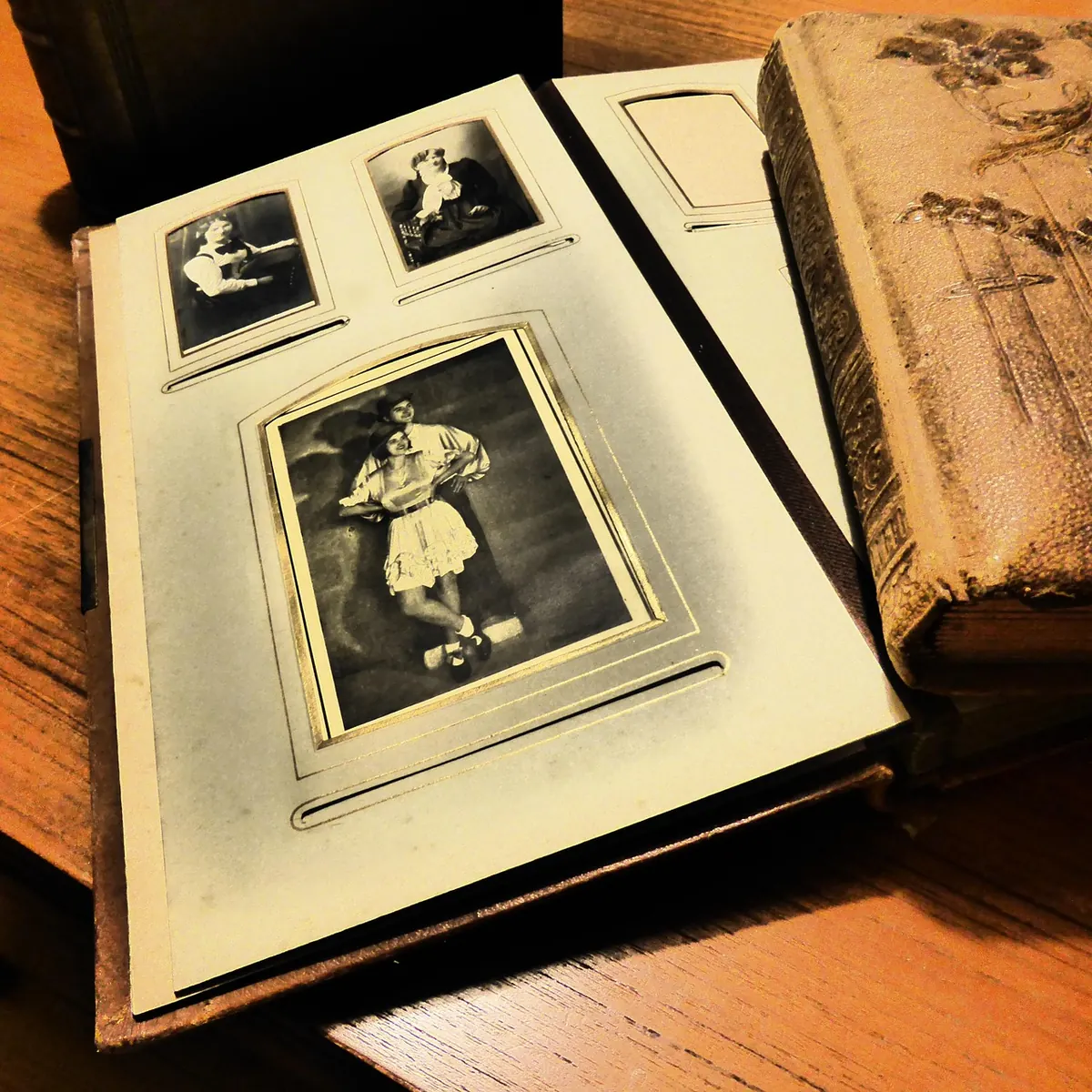
A photo album shows. A journal tells. That difference matters more than the paper you choose. A photograph of a child on a beach is pleasant; the note beside it — Amir refused to go in past his knees until half four, then had to be carried out blue and shivering and demanded chips — is what makes it a memory. Nobody else in the family can supply that second version.
It is not a baby book or a formal family history. Those projects have edges, and edges are where they stop. This one is ongoing and unpolished: half a page one month, four pages the next, gaps of six months nobody needs to apologise for. Nor does it have to be chronological. Write about the holiday in Cornwall, then jump back to your mother's kitchen in 1978. Order is a luxury; written down is the point.
Start With What You Already Have
You do not need to research anything before the first entry. Set a timer for twenty minutes and list everything that has happened to your household in the past three years: births, moves, jobs, exams, illnesses, funerals, holidays, new pets, the boiler that finally gave up. Keep it as bare facts for now — that list becomes your index.
Then write one of them up properly. Pick the one you would tell a friend about and give it a page: what led up to it, who was there, what was said, how it felt then and how it looks now.
Ask your children what they remember before you write anything down. Their version is usually sharper and stranger than yours, and they will enjoy being consulted. Write their words as they said them, even if they are wrong. Especially if they are wrong.
Collecting Stories From Relatives
The oldest people in your family are often the least documented. One afternoon with a grandparent, a phone with a voice recorder on it, and a handful of good questions will give you more than any formal interview.
Questions that get more than a yes or a no
Ask about texture, not facts. "What was school like?" gets a shrug. These tend to get stories:
- What did your bedroom look like? What was on the walls?
- What did you eat on a normal weekday, and who cooked it?
- What was your first job, and what did you spend your pay on?
- What did your parents argue about in the car?
- What were you frightened of when you were eight?
- What is the best day out you can remember, and what made it good?
Send two or three of these by message before you visit, so there is time to think. Record the answers if they are happy for you to. Listen for small physical details — the smell of a workshop, the colour of a front door, the bus route — and write them down the same evening, while the phrasing is fresh. Attribute rather than correct: "as Nan remembered it" is honest, and it keeps the tone of the telling.
Choose a Format You Will Actually Keep Up
The right format is the one that survives a bad month. Consider:
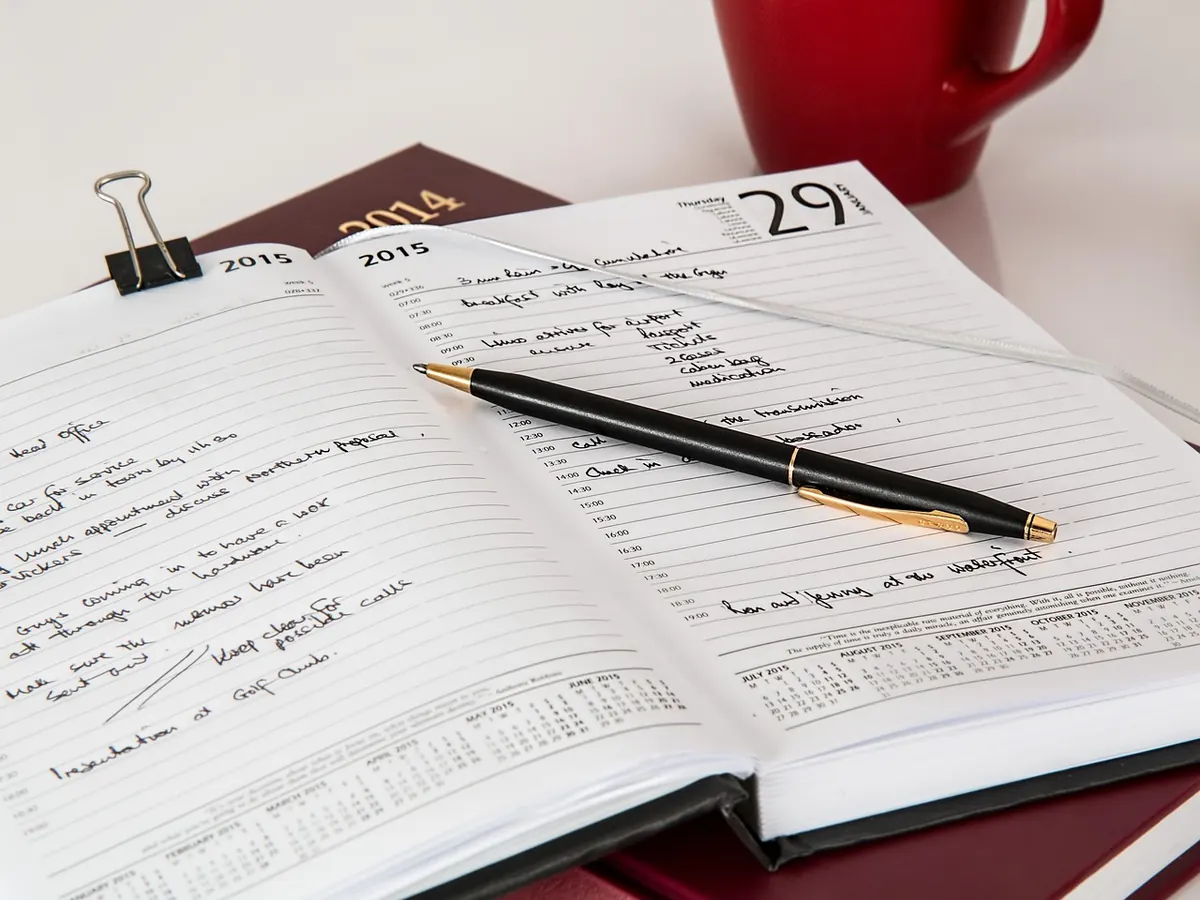
- A hardback notebook. Simplest, and the most likely to still work in twenty years.
- A ring binder with clear sleeves. Good if you want photographs, tickets and letters alongside the writing.
- A dated digital document. Searchable and easy to back up, but easier to forget.
- A hybrid. Write in a notebook, keep sleeves at the back for pictures, and scan the finished pages twice a year.
Whatever you pick, keep the pen with the book and leave the book where you sit — the kitchen table, the end of the sofa, the top of the stairs.
A Rhythm That Survives Busy Months
Monthly works far better than daily. Set aside twenty minutes on the first Sunday evening of the month and work through this short routine:
- Date the page and note everyone's current age.
- Write a line or two per person: what they are into, what they are struggling with, what they have said lately.
- Add one thing that happened only once this month.
- Slip in one photograph, or sketch what one would have shown.
- Hand the pen over and let each child write a sentence of their own.
Some months you will fill a page; some months three lines. Both count. In between, keep a note on your phone for scraps: funny mispronunciations, insults delivered with total sincerity, the day the cat brought in a pigeon.
14 March — Evie lost her second tooth in the car park at the leisure centre. She cried, then laughed, then asked whether the tooth fairy accepts card payments. Grandpa fell asleep before the film started and pretended he had not.
Photographs, Objects and Milestones
Print your photographs. Order prints twice a year, label them on the back in pencil with names, place and date, and keep them in sleeves rather than glued flat to the page — tape and glue damage prints over time. If you are unsure of a date, write "about" and move on.
Milestones are easy to remember and easy to write about, which is why they fill most family records. Push further. The first day of school matters, but so does what your child said on the walk home. Put the ordinary detail directly underneath the milestone in the same entry.
Small objects carry a lot: a cinema ticket, a shopping list in your grandmother's handwriting, a pressed leaf, a birthday card. Add a line explaining what each one is and why it was kept. An unlabelled ticket means nothing to anyone in fifty years.
Looking After It So It Lasts
Keep the journal somewhere dry, away from direct sunlight and radiators, and tell at least one other person where it lives. Scan or photograph completed pages twice a year and keep the copies in two places, so a lost book is a sadness rather than an ending.
When the current volume fills up, start the next one with a short note: who is writing, when it began, and a couple of sentences about what family life is like right now.
The families who end up with a record like this are not the organised ones. They are the ones who wrote a messy page in a kitchen, and then did it again the following month.
Photo: EME / Pixabay