A Beginner's Guide to Buying Second-Hand Furniture Safely
October 09, 2026 - DIY

October 09, 2026 - DIY

October 05, 2026 - Interiors

October 01, 2026 - Inspiration
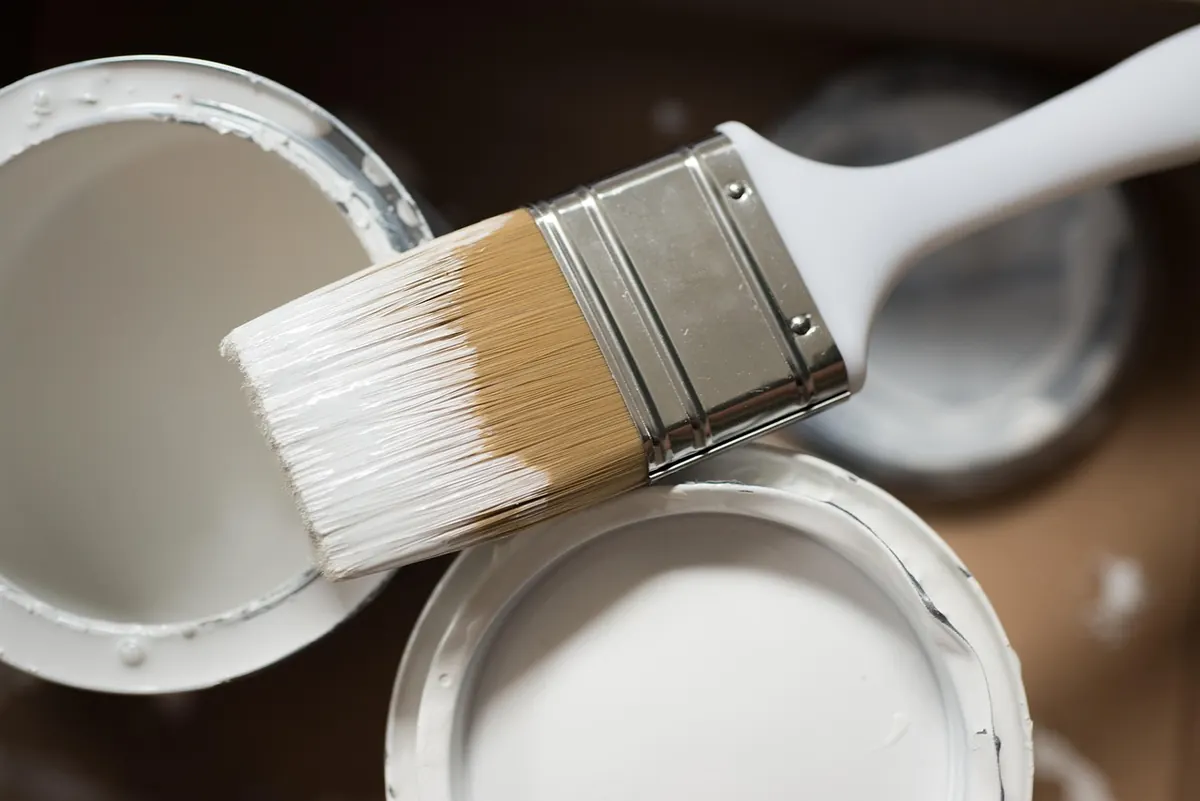
Choosing a paint colour is the fun part. Choosing the finish is the part that decides whether your hallway still looks sharp in two years' time. The same tin of deep green can look flat and velvety in matt or bright and slightly plasticky in gloss, and behave completely differently when a muddy paw brushes past it. Finish affects how a wall reflects light, how forgiving it is of lumps and bumps, and how easily you can wipe it clean. Get it right and the decorating job gets easier. Get it wrong and you notice it every single day.
Paint finishes sit on a simple scale. At one end is matt, with almost no shine. At the other is gloss, which reflects light like a mirror. Everything else — eggshell, satin, silk, washable matt — falls somewhere in between.
The more sheen a paint has, the more binder and resin it contains. That makes the dried film tighter and tougher, which is why shinier paints are easier to wipe and more resistant to scuffs. The trade-off is honesty. Sheen bounces light across a surface, so it highlights every filled crack, brush mark and ripple in old plaster. Matt absorbs that light instead, softening imperfections and giving colour a deeper, richer look. That is the whole decision, really: do you want the wall to hide its flaws, or to survive the next five years of family life?
Matt emulsion is the default for ceilings and for walls in rooms that are not put under much pressure — bedrooms, dining rooms, sitting rooms, and anywhere with period plaster that is never going to be perfectly flat.
Its weakness is cleaning. A scuff on matt paint is hard to remove, and scrubbing too hard can leave a shiny patch, which is often more obvious than the mark itself. Modern washable matt emulsions are far better than they used to be and worth the extra cost in hallways, children's rooms and anywhere people lean. Even so, washable means a damp cloth and a little patience, not a scrubbing brush.
Matt on both ceiling and walls, kept in the same colour family, also makes a low room feel calmer, because there is no line of shine where the two surfaces meet.
Eggshell has a soft, low sheen — a gentle glow rather than a shine. It is forgiving enough to use on walls and tough enough to cope with busier rooms, which is why it suits hallways, kitchens, bathrooms and family living spaces so well.
It is also the traditional finish for woodwork: skirting boards, architraves, doors and window frames. Here, water-based versus oil-based matters. Water-based eggshell dries quickly, is low in odour and stays true to its colour over time. Oil-based eggshell is very hard-wearing but yellows, particularly on whites, and needs good ventilation while it dries. For most homes, water-based is the easier choice.
Satin sits just above eggshell. It is durable, easy to wipe and slightly reflective, so it suits kitchens, bathrooms, radiators and any woodwork that gets handled. Water-based satin is a common choice for doors and trim because it levels out well and does not yellow.
Gloss is the toughest and the shiniest. It is the classic finish for front doors, skirting in busy hallways, kitchen cupboards and radiators. It cleans up beautifully and stands up to knocks. What it does not do is hide anything: dents, old paint edges, drips and uneven sanding will all be magnified. Gloss also needs more preparation than any other finish. Sand the surface, clean it thoroughly and use the right primer or undercoat, or the new paint may simply slide off the old sheen.
A useful compromise in a busy house is satin on woodwork and eggshell on walls: hard-wearing where hands and feet make contact, softer where the eye rests.
The same tin looks deeper and more velvety in matt, and lighter and brighter in satin or gloss, because of the way light bounces off it. If you are matching a colour across two finishes in one room, buy a tester pot of each and compare them side by side in daylight.
Paint a generous patch — not a little smear — and look at it in the morning, in the evening with lamps on, and with the curtains open. Sheen behaves differently at night, when artificial light grazes the wall and picks out every ridge.
If you take one rule from all of this, take this one: the shinier the paint, the more the surface underneath has to be right. Fill, sand, dust off, and prime bare wood, metal and any glossy surface. New plaster needs a thinned mist coat first, or the topcoat will not bond properly.
Matt for calm, low-traffic walls and ceilings. Eggshell for rooms that see real life. Satin for woodwork, radiators and kitchen cupboards. Gloss for front doors and hardworking details you want to be able to scrub. Buy small tins, paint generous patches, and give them a day before you commit. Then buy the right amount for the job, with a little spare — a leftover tin in the right finish is never wasted in a house that is always halfway through a project.
Photo: ClickerHappy / Pixabay
A practical guide to buying second-hand furniture: how to measure, inspect and question before you commit, plus...

North-facing rooms needn't feel cold or dingy. Here's how warm colour, layered lighting, mirrors and texture can...
October 09, 2026 - DIY
October 05, 2026 - Interiors
Copyright © 2026 Amber Nest. All Right Reserved.